Florida Outlook Weekly “FLOW”.
Weekly Financial Summary of Florida
Week Ending Feb 1st 2026.
North East gets hit by historic Winter Storm, while Miami welcomes 000’s to “Miami ALTS WEEK 2026.”
Uncorrelated hosted an extraodinary amount of events:
- UNCORRELATED Miami 2026
- MIAMI CRE 2026
- MIAMI FAMILY OFFICE 2026
- CRYPTO Mastermind
- ACTIVE Trader
- FIFO hosted and incredible private luncheon with Wall Street Legend Louis Navellier.
There were various other events happening around town. Job well done to the organizers: Geoff Marcus and Peter Murrugarra.
So how did January 2026 end in Florida?
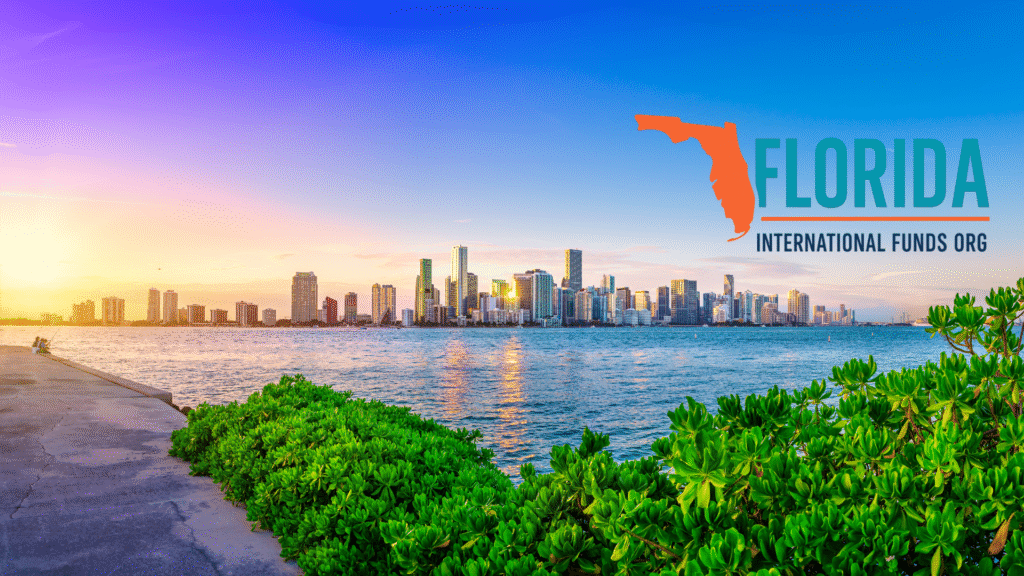
The final week of January and start of February 2026 underscored the growing prominence of Florida’s Gold Coast—West Palm Beach, Fort Lauderdale and Miami—as a national hub for innovation, finance and investment. The Florida Council of 100 launched “Ambition Accelerated”, a multimillion‑dollar campaign to attract CEOs and founders by highlighting the region’s strengths: it leads major U.S. metros in new business formation and GDP growth, ranks second‑lowest for business regulation per capita, third for attracting talent, boasts America’s top higher‑education system and offers no state income tax. The campaign argues that the next generation of American growth will be built in markets combining talent, predictability and the ability to execute without unnecessary constraints. Complementing this branding push, ServiceNow announced plans to build an innovation hub and AI Institute in West Palm Beach’s CityPlace development. The project, led by developer Related Ross, will create over 850 jobs, invest more than $50 million and generate an estimated $1.8 billion economic impact by 2030. ServiceNow will lease up to 200,000 sq ft, include a startup accelerator and ServiceNow University programming, and serve as a magnet for enterprise AI talent. State officials praised the expansion as a milestone for Florida’s tech economy.
Regulatory and legislative developments also took center stage. The Florida House advanced constitutional amendments that would phase out non‑school homestead property taxes and cap property value increases, sparking debate over the impact on local governments and potential shifts in tax burdens to renters and businesses. Lawmakers simultaneously pushed a bill to limit insurer payments to affiliated companies, giving regulators authority to scrutinize and potentially block transactions that move money out of regulated insurers. These efforts signal heightened scrutiny of property‑insurance practices and a continuing appetite for tax relief. In the insurance market, the Florida Office of Insurance Regulation (OIR) approved an 8.7 % average rate decrease for Citizens Property Insurance after years of increases, and private insurer Security First announced a 5.2 % rate cut and lower deductibles on its HO3 policies. Legislators also moved forward with HB 863 to make binding arbitration with Citizens voluntary, reflecting a consumer‑friendly shift in dispute resolution.
Capital flows remained active. JLL secured $22.8 million in financing for Tampa Bay Center and Accesso paid $70 million for a 76‑acre site to build the Ovation Orlando entertainment district with 740 hotel rooms. Retail investors continued to target single‑tenant assets, as SRS Real Estate Partners brokered a $27.4 million sale of two Crunch Fitness properties, while Largo Capital arranged multiple financings totaling $31.5 million for retail centers and a hotel. Sanibel Captiva Community Bank reopened its $4 million rebuilt Fort Myers branch after Hurricane Ian, and First Federal Bank agreed to acquire NOLA Lending Group. The innovation and advisory ecosystem expanded as Embarc Collective launched an investor program linking startups with venture capital and Shepherd Financial hired veteran adviser Brea Dantin to lead retirement‑plan consulting growth in Sarasota and Tampa Bay. Together, these developments reflect a state that is proactively marketing its advantages, nurturing tech and finance clusters, and addressing structural challenges in insurance and taxation.
Insights & Forward View
Key Insights
-
Unified regional branding boosts competitiveness: The Gold Coast campaign illustrates Florida’s strategic shift from intra‑state competition to presenting a unified front to attract capital and talent.
-
AI and tech investment accelerates: ServiceNow’s AI Institute and innovation hub will anchor a growing enterprise AI cluster, signalling that national tech firms view Florida as a viable alternative to traditional tech hubs.
-
Tax and insurance reforms remain a priority: Legislative proposals to phase out non‑school property taxes and to monitor insurer affiliate payments indicate ongoing efforts to reduce costs for residents while ensuring accountability.
-
Renewed regulatory oversight: Bills increasing OIR authority and adjusting arbitration rules reveal a more consumer‑centric stance, though insurers warn of increased compliance burdens.
-
Capital flows into mixed‑use and retail assets: Despite higher interest rates, developers and investors continue to fund large entertainment districts and single‑tenant retail properties, reflecting confidence in Florida’s tourism and consumer spending outlook.
-
Innovation ecosystem strengthens: Programs like Embarc Collective’s investor network and ServiceNow’s startup accelerator highlight a maturing tech ecosystem that fosters local founder–investor connections.
-
Institutional investors embrace alternative risk transfer: The FRS’s growing ILS allocation underscores the appeal of uncorrelated returns and Florida’s role in the global reinsurance market.
Outlook – Next 30 Days
Legislative action will dominate February as the Florida House and Senate negotiate property‑tax amendment language and bills regulating insurers’ affiliated transactions. Expect continued debate about how tax cuts will be phased in and how local governments can offset lost revenue. Further rate‑filing approvals are likely as insurers adjust premiums in light of Citizens’ decrease and improved reinsurance pricing. The Florida Council of 100’s Ambition Accelerated campaign is expected to roll out more promotional events, while ServiceNow and Related Ross may release additional details about the AI Institute’s hiring and partnerships. Venture‑capital activity could pick up as Embarc Collective’s Investor Partner Program launches its first deal‑flow sessions. Real estate markets may see continued mixed‑use announcements; however, developers could slow acquisitions if interest rates rise further. Overall, Florida’s 2026 momentum appears strong, but stakeholders should monitor the interplay between tax policy, insurance reforms and economic diversification efforts.
About this report: This weekly summary highlights major deals, adviser moves, policy developments and market data for Florida’s wealth‑management and insurance sectors. For questions or media inquiries, please contact the author.